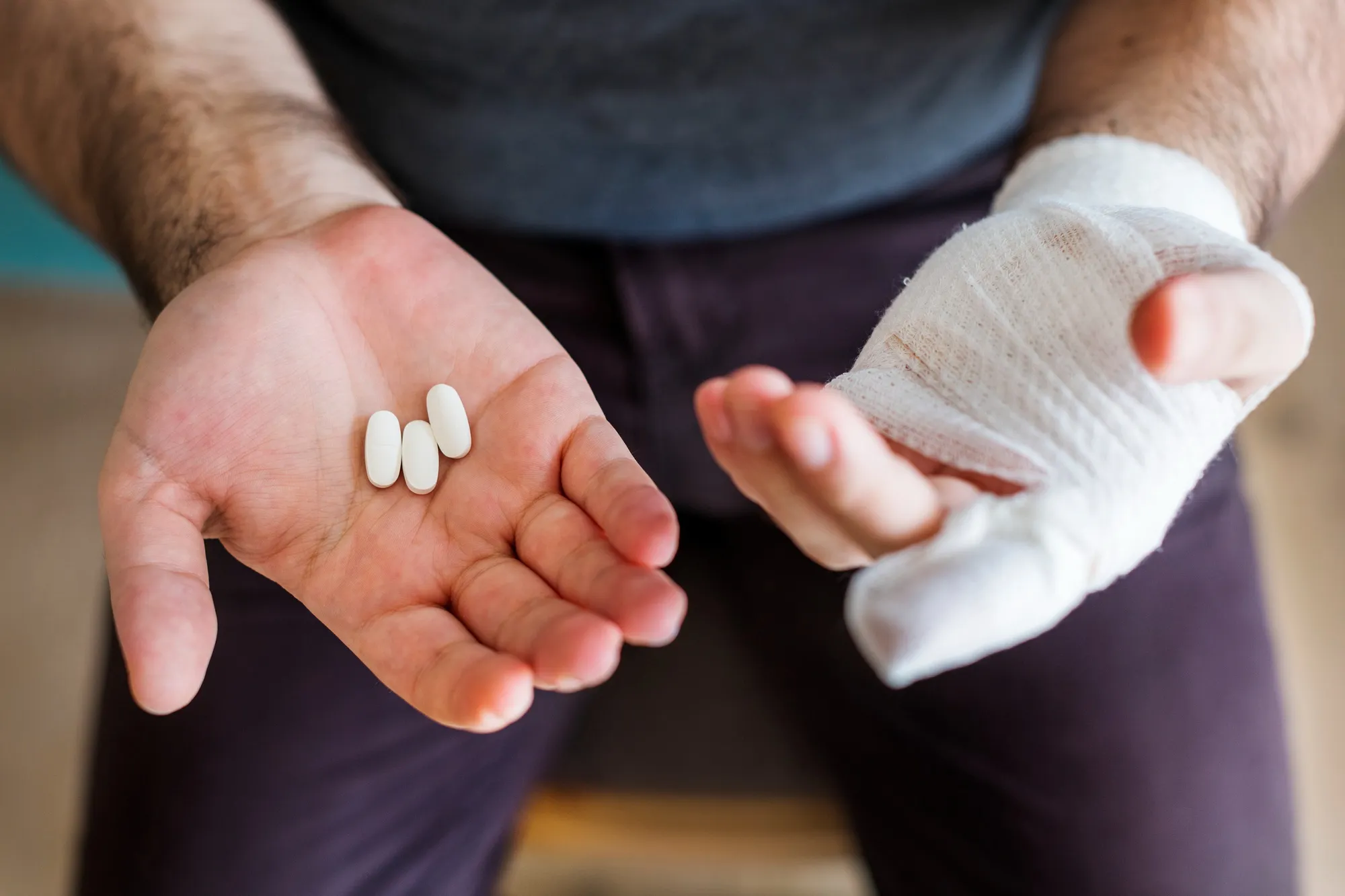
5 Game-Changing Wound Care Solutions You Didn’t Know About
Posted on October 24, 2024 | 7 minutes read
Advanced Wound Care Services at Modern Wound Care Solutions in Jacksonville utilize state-of-the-art dressings and treatment options for wound healing, infection management, moisture control, and treatment of complicated wounds.
Most people treat a wound like a quick errand: rinse it, throw on a bandage, move on. And for truly minor cuts, that’s often enough. But the truth is, wound care is a lot more than covering skin. The “right” approach depends on moisture, infection risk, circulation, and how your body is healing overall.
That’s why modern Wound care solutions in Jacksonville go beyond basic gauze. If you’ve been searching for Wound care solutions in Jacksonville, you’re probably looking for something more effective than trial-and-error, especially if the wound is painful, slow to heal, or keeps reopening.
Today’s wound care world includes smarter dressings, advanced therapies, and specialist-guided plans designed to support faster healing and reduce complications. And if you’re exploring an Advanced Wound Care Pharmacy, you’re likely looking for support that includes education, coordination, and prescription-based options when needed.
We’ll walk through five “game-changing” solutions you may not know about, plus when it’s time to seek Wound Care Treatment and what to watch for along the way. We’ll also clarify what people often mean by Quick Wound Healing Medicines, because healing is real, but it’s rarely instant.
Why Advanced Wound Care Matters (Quick Context)
The goal of better wound care is not just “close the wound.” It’s to:
- prevent infection
- manage moisture (not too wet, not too dry)
- protect healthy tissue and support new cell growth
- reduce pain and reduce how often dressings need changing
- catch problems early before they become bigger problems
Who Should Pay Extra Attention
Advanced wound care becomes especially important if you have:
- diabetes, poor circulation, or immune system issues
- chronic or recurring wounds
- post-surgical wounds
- wounds on the feet/legs that heal slowly
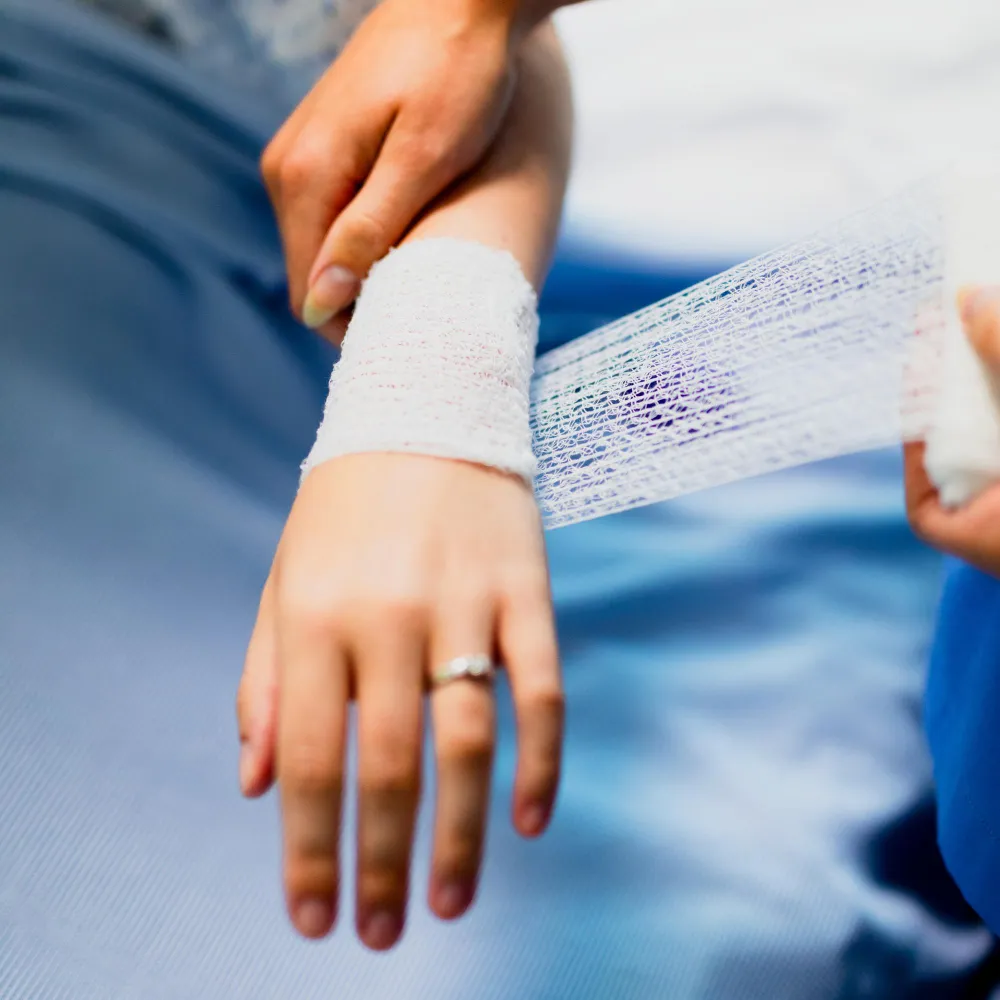
If you’re in a higher-risk group, early evaluation can save a lot of time and trouble later.
Solution 1: Hydrocolloid Dressings (Moisture + Protection)
What it is (simple): A flexible dressing that creates a moist healing environment and acts like a protective seal.
How it helps
Hydrocolloid dressings can:
- support new cell growth by maintaining balanced moisture
- protect the wound from dirt and bacteria
- reduce how often you need to change the dressing (many can stay on for days)
Best for
Often used for:
- minor burns
- superficial wounds
- certain ulcers (as directed by a clinician)
Tips/notes
If you notice worsening redness, odor, increased drainage, or increasing pain, don’t just “wait it out.” Those are signs you may need Wound Care Treatment.
Solution 2: Silver-Infused Dressings (Infection Control Support)
What it is: A dressing that contains silver ions, which can provide antimicrobial action.
How it helps
Silver dressings may:
- reduce bacterial load in the wound area
- lower infection risk in higher-risk wounds
- support a cleaner healing environment when infection risk is a concern
Best for
Commonly used for:
- chronic wounds with infection risk
- diabetic ulcers
- post-surgical wounds that are prone to infection
When to seek guidance
If drainage increases, pain worsens, or you develop fever/chills, get evaluated promptly.
Solution 3: Negative Pressure Wound Therapy (NPWT) (Serious Wound Support)
What it is: A sealed dressing connected to a small pump that applies gentle suction.
How it helps
NPWT can:
- remove excess fluid
- reduce swelling
- support blood flow and tissue growth
- help draw wound edges together in certain cases
Best for
Typically used for:
- deep wounds
- surgical wounds
- burns and complex injuries (provider-directed)
What to expect
This usually requires ongoing monitoring and dressing changes by professionals. It’s not a “set it and forget it” tool, it’s a therapy that works best with close follow-up.
Solution 4: Bioengineered Skin Substitutes (Advanced Tissue Support)
What it is: A lab-made, skin-like material applied as a temporary protective layer over a wound.
How it helps
These products can:
- cover the wound and protect it
- support new skin cell development
- help in difficult-to-close wounds where the body needs extra support
Best for
Often used under specialist care for:
- severe burns
- ulcers or wounds with significant tissue loss
Important note
This is typically part of a larger plan, not a standalone fix. Think of it as one tool in a full treatment strategy.
Solution 5: Alginate Dressings (High Absorption For “Wet” Wounds)
What it is: A seaweed-based dressing that turns into a gel as it absorbs fluid.
How it helps
Alginate dressings can:
- absorb heavy drainage (exudate)
- keep the wound cleaner while maintaining a moist healing environment
- reduce mess and irritation from excess fluid
Best for
Often used for:
- wounds with moderate to heavy drainage
Tips/notes
These usually require the right secondary dressing and a follow-up plan. If a wound is “wet” for too long, skin around it can break down, so guidance matters.
Where Does an Advanced Wound Care Pharmacy Fit Into Your Treatment?
An Advanced Wound Care Pharmacy can support care in a practical, patient-friendly way, especially when you’re trying to understand what’s being used and why.
High-level ways pharmacy support can help:
- education on dressing types and how they’re used (as directed by your provider)
- coordination with clinicians for Wound Care Treatment plans
- access to prescription-based options when needed, including what people often call Quick Wound Healing Medicines
- guidance on warning signs and when to escalate care
If you’re working with a pharmacy partner like Citizen Compounding, you may also get more personalized counseling and coordination support for prescription-based wound care needs.
When Should You Seek Wound Care Solutions in Jacksonville?
Here’s when you should stop guessing and seek evaluation for Wound care solutions in Jacksonville:
- increasing redness, swelling, warmth
- pus, cloudy drainage, or a foul odor
- fever/chills or worsening pain
- wound not improving after 7–14 days (or sooner if you’re high-risk)
- diabetic foot wounds or signs of poor circulation (coldness, color changes, numbness)
If you’re in a higher-risk category, it’s smart to seek Wound Care Treatment sooner rather than later.
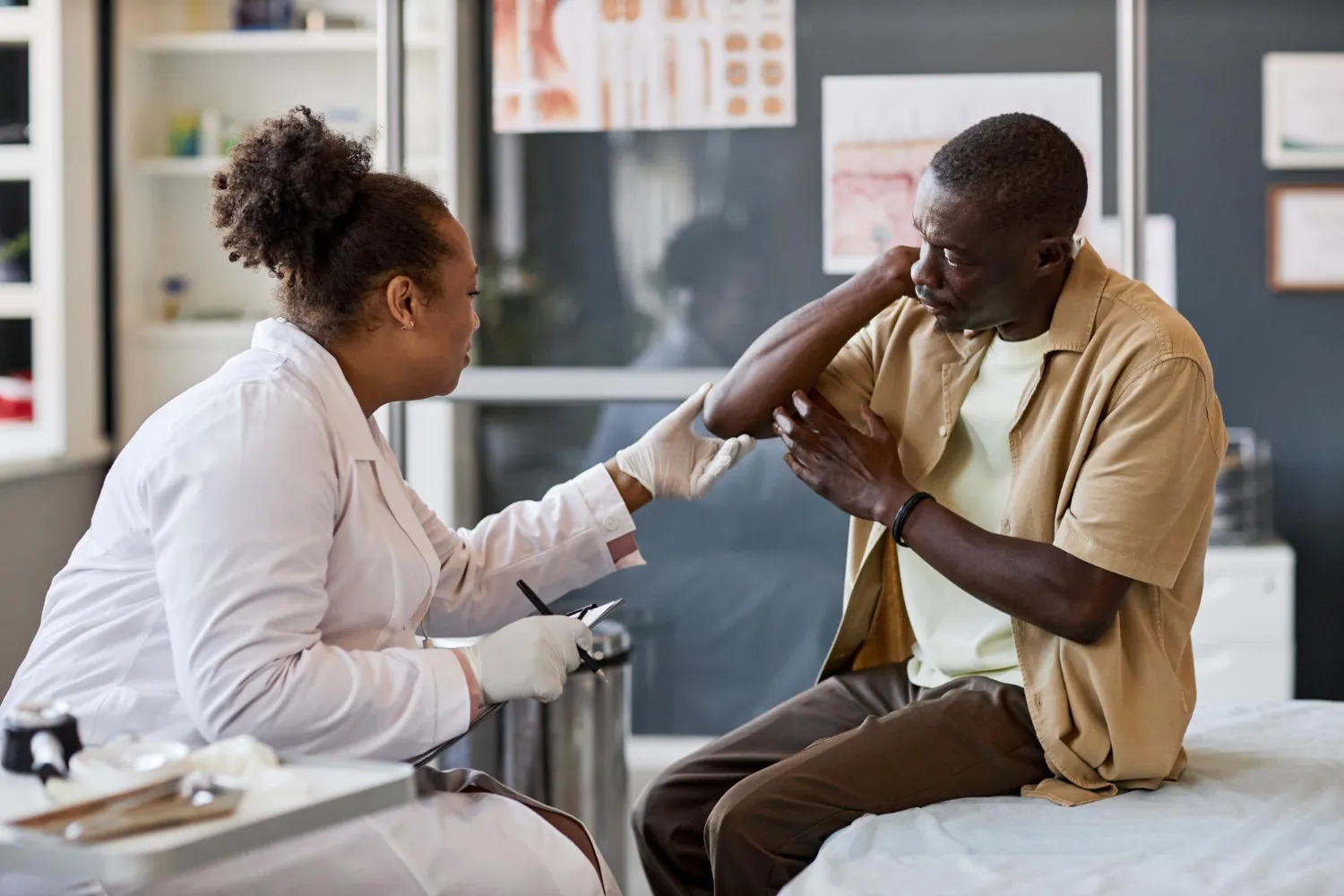
Conclusion: Modern Wound Care Is About The Right Tool For The Right Wound
Modern wound care isn’t about using the fanciest product. It’s about using the right tool for the right wound, at the right time.
Quick recap of the five solutions:
- Hydrocolloid dressings for moisture balance and protection
- Silver-infused dressings for infection-risk support
- NPWT for deeper, more complex wounds
- Bioengineered skin substitutes for difficult-to-close wounds under specialist care
- Alginate dressings for wounds with heavier drainage
If your wound is chronic, deep, painful, or showing signs of infection, don’t wait. Get evaluated and build a plan that fits your wound, your health factors, and your healing timeline. That’s the real path to better outcomes, and the safest interpretation of Quick Wound Healing Medicines, prescription-based support that helps healing move forward, not overnight promises.
FAQ
Are “Quick Wound Healing Medicines” Real?
Some prescription-based treatments can support healing, reduce infection risk, and improve the wound environment, but healing still takes time. Be cautious of “overnight cure” claims.
How Do I Know If My Wound Needs Professional Care?
If symptoms worsen, you notice odor or pus, pain increases, you develop fever/chills, or the wound isn’t improving within 7–14 days (sooner if high-risk), seek Wound Care Treatment.
What’s The Biggest Mistake People Make With Wounds At Home?
Ignoring warning signs and letting a wound stay too wet, too dirty, or uncovered, or using random leftover creams/antibiotics without guidance. When in doubt, get evaluated.
Don’t Let a “Small” Wound Turn Serious
If redness is spreading, drainage is changing, or healing has stalled, get evaluated for Wound care solutions in Jacksonville and the right Wound Care Treatment plan.