Understanding the Stages of Wound Healing and How Treatments Help
Posted on February 14, 2025 | 6 minutes read
The wound healing process has four phases: hemostasis, inflammation, proliferation, and remodeling. Knowledge of these phases will help you identify appropriate wound care treatments and determine when you need professional wound care jacksonville fl services for wounds that do not heal quickly.
Every wound heals in steps, even the “small” ones. Abrasions, incisions, contusions, burns, surgical wounds- they all move through a predictable healing process. The problem is, most people don’t realize which stage they’re in, so they treat the wound based on guesswork. That’s when you get the frustrating combo of pain, stress, and slow progress.
This is where understanding the stages helps. When you know what your body is trying to do, you can support it instead of accidentally working against it.
In this guide, we’ll break down the four stages of healing and where Wound Care Treatments fit in. You’ll also learn when it’s time to stop DIY-ing and seek Wound Care in Jacksonville Fl, especially if healing is stalled or you’re high-risk.
And if you’re dealing with a chronic or slow-healing wound, this is also when an Advanced Wound Care Pharmacy can become part of the care team, helping support clinician-guided treatment with education and follow-up.
Quick Overview: The Four Stages of Wound Healing
There are four phases that the process of wound healing usually undergoes:
Hemostasis > Inflammation > Proliferation > Remodeling/Maturation
Important thing to remember: These phases may occur simultaneously, and depending on the nature of the wound, it can take different amounts of time to heal.
Stage 1: Hemostasis (Stop the Bleeding)
What’s happening in the body
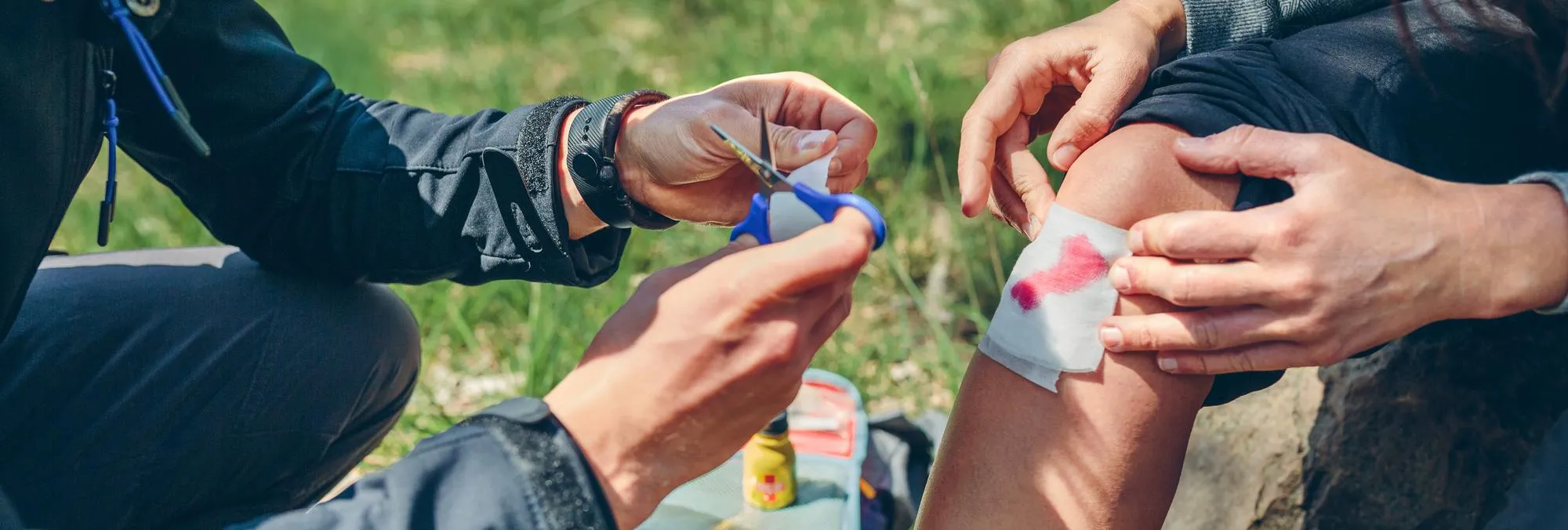
Right after an injury, your body’s first job is to stop the bleeding:
- Blood vessels constrict
- A clot forms to seal the wound
What you might notice
- Bleeding slows and stops
- A scab or clot forms
Helpful wound care treatments in this stage (high level)
- Gentle cleaning (once bleeding is controlled)
- Direct pressure when needed
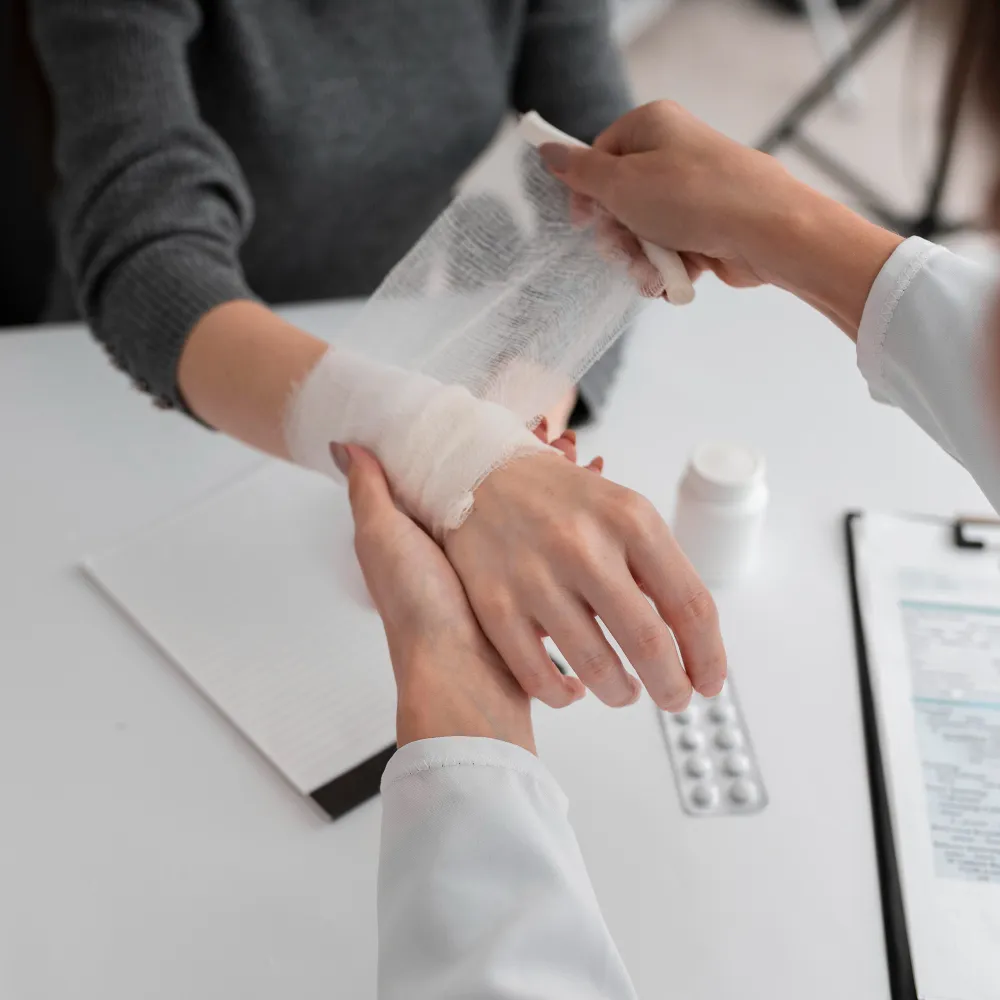
- Proper dressing to protect the area
- Protecting the wound from reopening (friction is a common setback)
What can delay this stage
- Blood thinners or clotting issues
- Repeated trauma or rubbing
- Poor circulation in some cases
Stage 2: Inflammation (Clean-Up + Defense)
What’s happening
Inflammation is your body’s clean-up and defense phase:
- White blood cells help clear bacteria and damaged tissue
- The body creates a protective response to prevent infection
Normal signs (yes, some redness is expected)
- Mild redness and warmth
- Swelling
- Tenderness
What’s not normal (red flags)
- Worsening pain
- Spreading redness
- Pus or foul odor
- Fever or chills
Helpful wound care treatments
- Infection prevention and monitoring
- Dressings that protect while allowing appropriate airflow/moisture balance
- Guidance on when to seek care (this is huge)
Why inflammation can last longer
- Diabetes
- Poor circulation
- Smoking
- Chronic wounds or repeated irritation
Stage 3: Proliferation (New Tissue + New Skin)
What’s happening
This is the rebuilding phase:
- Granulation tissue fills the wound
- New blood vessels form to deliver oxygen and nutrients
- Wound edges begin closing
What you might notice
- Pink/red tissue in the wound bed
- Drainage may decrease over time (varies by wound)
Helpful wound care treatments
- Moisture-balanced dressings (not too wet, not too dry)
- Protecting fragile new tissue
- Reducing pressure and friction (offloading when needed)
What can slow it down
- Poor nutrition (protein, vitamin C, zinc matter)
- Infection
- Repeated trauma or picking at scabs
- Unmanaged chronic conditions (especially diabetes)
Stage 4: Remodeling / Maturation (Strengthening + Scar Formation)
What’s happening
In this stage, the body strengthens what it built:
- Collagen reorganizes
- Tissue becomes stronger
- Scar tissue gradually changes in appearance
Timeline
This stage can take months to years, depending on depth and severity.
Helpful wound care treatments
- Scar support guidance (as appropriate)
- Continued protection from reopening
- Monitoring for breakdown in high-risk areas
What can affect scarring
- Wound depth
- Infection history
- Tension on the skin
- Sun exposure (especially for newer scars)
How Do Wound Care Treatments Help at Every Stage of Healing? (Tie It Together)
Here’s the big picture: Wound Care Treatments aren’t just about “putting something on it.” They help you support the right goal at the right time.
Across all stages, good wound care helps:
- Prevent infection early
- Support the right moisture level
- Protect the wound from reopening
- Reduce pain and inflammation appropriately
- Speed progress by matching care to the stage
When Should You Consider an Advanced Wound Care Pharmacy?
An Advanced Wound Care Pharmacy may be worth considering when:
- Healing is stalled or the wound is chronic
- There’s recurring infection risk
- You’re high-risk (diabetes, poor circulation, immunosuppression)
- The plan needs more tailored support and education
For example, Citizen Compounding may be part of a clinician-guided care plan when customized support and clear patient education are needed.
When Should You Seek Wound Care in Jacksonville? (Practical Local Section)
Sometimes the smartest move is getting eyes on the wound early.
Consider Wound Care in Jacksonville Fl if:
- The wound isn’t improving after 7–14 days (or sooner if you’re high-risk)
- You see signs of infection or worsening symptoms
- You have diabetic foot wounds
- You have poor circulation symptoms (cold feet, numbness, color changes)
- The wound is deep, large, or caused by a burn or bite
If you’re unsure, it’s better to get evaluated than to wait and hope.
Closing: Get The Right Help At The Right Time
Wound healing is a process that takes place through several steps. However, it follows certain patterns if you provide appropriate help for each step individually. The objective is not in using various products haphazardly, but in providing appropriate help for each specific step of the process and finding out why the wound does not heal.
If your wound is getting worse, instead of healing or if you belong to a high-risk group, do not hesitate to contact Wound Care in Jacksonville Fl.
FAQ
1) How Long Should A Wound Take to Heal?
It depends on the wound type, depth, and your health factors. Minor wounds may improve quickly, while deeper or chronic wounds can take weeks or longer. If there’s no improvement in 7–14 days, get evaluated.
2) Is Redness Always A Sign Of Infection?
Not always. Mild redness and warmth can be normal in the inflammation stage. Red flags include spreading redness, worsening pain, pus, foul odor, or fever.
3) When Should I Consider An Advanced Wound Care Pharmacy?
If healing is stalled, the wound is chronic, you’re high-risk (like diabetes or poor circulation), or you need more tailored support and education as part of a clinician-guided plan.
Stalled Healing Needs a Better Plan, Not More Bandages
An Advanced Wound Care Pharmacy can support your clinician-led plan with clear instructions, dressing guidance, and what-to-watch-for support.