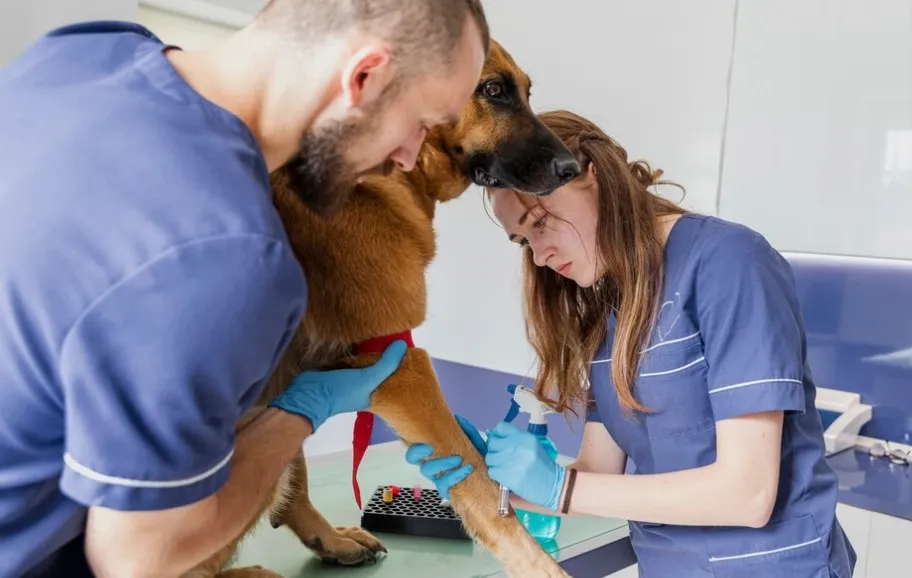
Top Questions to Ask Your Vet or Pharmacist About Compounded Pet Medications
Posted on May 9, 2025 | 7 minutes read
Giving medication to a pet isn’t always straightforward. If you’ve ever tried to give a cat a tablet, you know how difficult it can be. Because pets don’t understand that medication is meant to improve their health, they often resist treatment, making it harder for owners to follow their veterinarian’s instructions.
Pets come in all kinds of sizes, breeds, temperaments, etc. Some dogs may require a certain dosage while others – much less. The type of drug formulation which can be administered easily to one pet will become a torture for another one to swallow. That’s why veterinary compounded medications can be very helpful, but only with veterinary compounding pharmacy assistance.
What is important to keep in mind: asking the right questions protects your pet and helps you avoid extra stress. When you know the medication, its dosage, and what side effects it may cause, you can feel free from doubts about administration.
Let’s consider the most important questions to ask before you start.
What Are Veterinary Compounded Medications?
Compounding entails preparation of a drug in a specialized way to suit a certain animal, according to the instructions of a veterinarian.
This process is done by a qualified pharmacist (working with a compounding pharmacy specialized in veterinary practice).
Common reasons compounding is used:
- The needed dose strength isn’t commercially available
- Your pet can’t take the standard form (pill refusal, vomiting, difficulty swallowing)
- There’s an allergy or sensitivity to an ingredient in the standard product
- A medication is on shortage/backorder
- A different form is needed to improve adherence (because the best medication is the one your pet actually takes)
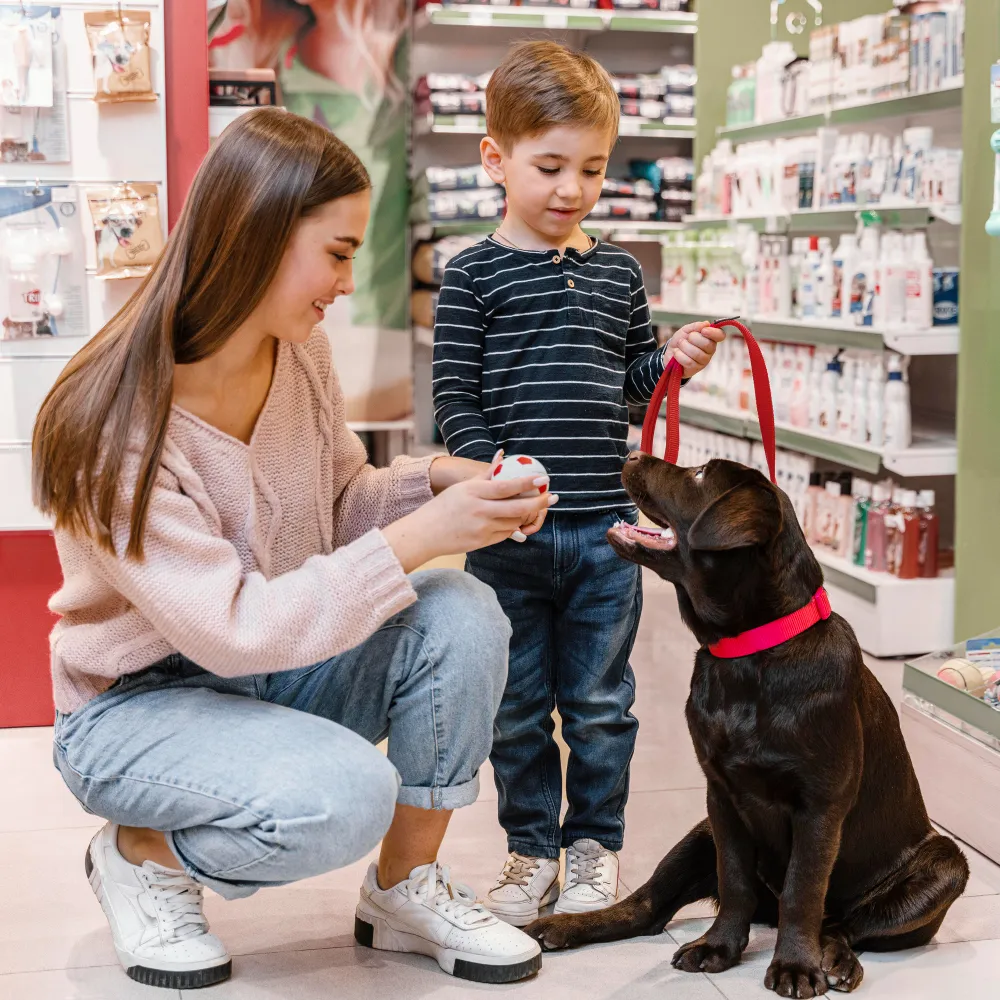
Quick clarity note: compounded meds are customized, not mass-manufactured. That’s why communication, labeling, and quality processes matter.
When Compounding Can Be Helpful (Real-Life Scenarios)
Compounding tends to shine in the messy reality of pet care, like:
- Cats that won’t take tablets (and will remember the betrayal forever)
- Small dogs needing tiny, precise doses
- Pets that do better with flavored liquids or chews for consistency
- Topical or transdermal options when oral dosing is difficult (when appropriate and prescribed)
- Multi-pet households where mix-ups can happen, clearer labeling and customized concentrations can reduce confusion
Top Questions To Ask (7 Questions + Why They Matter)
Q1) Why Is A Compounded Medication Being Prescribed For My Pet?
Why it matters: You want to understand what problem compounding is solving.
Ask:
- Is this about dose strength, form, ingredients, or availability?
- What didn’t work about the standard option?
This helps you feel confident that compounding is being used for a specific need, not just as a default.
Q2) Is There an FDA-Approved (Or Commercially Available) Option That Would Work Instead?
Why it matters: Sometimes a standard product is the simplest, most straightforward choice.
You’re not challenging the vet, you’re clarifying the decision:
- “Is there a commercial option that fits my pet’s dose and form needs?”
- “If not, what’s the reason compounding is the better fit here?”
Q3) What Form Will This Medication Come In, and What Are My Options?
Why it matters: The easiest form to give is usually the one you’ll give consistently.
Common forms may include:
- Liquids or flavored suspensions
- Chewables
- Capsules
- Topical gels
- Transdermal options (when appropriate)
Ask what’s most realistic for your pet’s temperament and routine. If your pet is already stressed, the “perfect” form on paper may not be the best form at home.
Q4) How Is The Dose Calculated for My Pet (And How Do I Measure It Accurately)?
Why it matters: Dosing is often weight-based, and species differences can matter.
Ask for:
- The concentration (so you know what “1 mL” actually means)
- The right measuring tool (oral syringe or dosing device, not kitchen spoons)
- A quick demonstration if possible
This is one of the biggest ways to prevent dosing mistakes.
Q5) What Side Effects or Warning Signs Should I Watch For?
Why it matters: You need to know what’s normal vs what’s urgent.
Ask:
- What are common side effects for this medication?
- What symptoms mean “call the vet today”?
- What symptoms mean “stop and seek emergency care”?
If your pet has a reaction, you’ll be glad you asked this before you’re in panic mode.
Q6) What Should I Do If I Miss A Dose, Spill It, Or My Pet Spits It Out?
Why it matters: This happens all the time, especially with liquids.
Ask:
- What counts as a missed dose?
- Should you re-dose if they spit it out?
- Should you ever double up? (Usually not without guidance.)
- What about partial doses?
Getting clear instructions here prevents accidental overdosing and reduces stress.
Q7) How Should I Store It, and What’s the Shelf Life/Beyond-Use Date?
Why it matters: Compounded meds can have different storage needs than commercial products.
Ask:
- Refrigeration vs room temperature
- Light sensitivity
- “Shake well” instructions and whether separation is expected
- Beyond-use date and when to discard
- Refill timing so you don’t run out mid-treatment
Safety and Quality: How to Choose A Trustworthy Veterinary Compounding Pharmacy
Not all pharmacies operate the same. Look for:
- Ingredient transparency (active + inactive ingredients)
- Clear labeling (pet name, concentration, directions)
- Communication with your veterinarian when needed
- Counseling support (administration tips + proper measuring tools)
- High-level documentation and consistent quality processes (they should be able to explain their steps without getting defensive)
If a pharmacy can’t answer basic questions, that’s a red flag.
Quick Admin Tips To Make Dosing Easier
A few practical habits can save you a lot of trouble:
- Pick a consistent time and calm place to medicate
- Use positive reinforcement (treat chaser, praise, short and calm routine)
- Keep a dosing log, especially for twice-daily meds or multi-pet homes
- Store meds away from other pets and children
- Don’t “free pour,” always measure
When to Call the Vet Right Away (Red Flags)
Call urgently if you see:
- Trouble breathing, swelling, hives
- Severe vomiting/diarrhea, collapse, extreme lethargy
- Neurologic signs (tremors, disorientation)
- Rapid worsening of the condition being treated
When in doubt, call. It’s always better to be the “careful” pet parent than the one hoping it passes.

Conclusion: The Goal Is Confidence + Consistency
When you need something tailored to suit your pet better than anything else available on the market, compounded medicines might be just what you need. The key benefit here is having certainty about your treatment: what you give, how much, where you keep it, and what signs you should look out for.
It all starts with asking the right questions and receiving the proper guidelines for the treatment. Your pet won’t care whether you do everything perfectly or not, but whether you do things consistently.
FAQ
1) Are Veterinary Compounded Medications Safe?
They can be safe when prescribed by a veterinarian and prepared by a reputable pharmacy with clear labeling, quality processes, and proper caregiver instructions.
2) Why Can’t I Just Adjust A Human Medication Dose At Home?
Because small dosing errors can matter, and pets vary by species and weight. Always follow the veterinarian’s prescription and use the correct measuring tools.
3) What’s The Biggest Mistake Pet Owners Make With Compounded Meds?
Measuring incorrectly (using kitchen spoons, guessing, or misunderstanding concentration). Always confirm dose in mg and mL and use a dosing syringe/device.
Not Sure If You’re Giving It Right? Let’s Fix That.
A trusted veterinary compounding pharmacy can explain dosing, measuring tools, storage, and what to watch for, so you medicate with confidence.