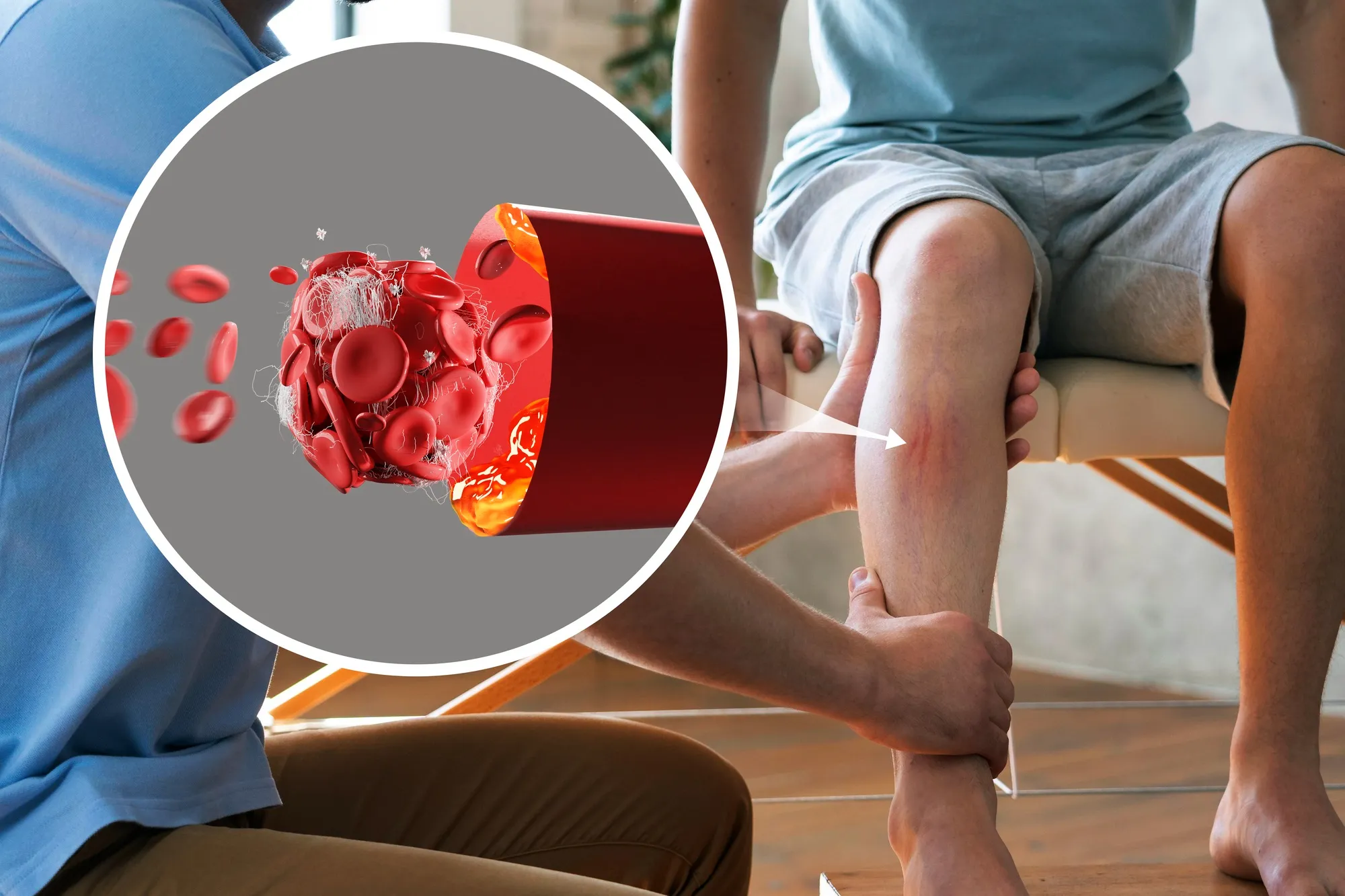
Early recognition of wound infection signs, including spreading redness, swelling, pain, discharge, and fever, helps patients seek timely Wound Care Treatment, while an Advanced Wound Care Pharmacy supports safe medication use and proper healing.
Wounds may appear “small”, yet develop into major issues due to infections that have been overlooked. It is not meant to frighten you, but to help you stay safe. Infection symptoms are actually your body’s way of telling you “hey, something is wrong here”.
Quite often people tend to rely on home remedies and hope for improvement. Some people begin their search for Quick wound healing medicines assuming that it is the only remedy. The thing is Quick wound healing medicines (when prescribed by a specialist) can really help with wounds, yet, only if there has been an appropriate assessment done and a reason for delayed wound healing was found.
This guide will help you spot infection signs early, understand what they mean, and know when it’s time to seek Wound Care Treatment. We’ll also explain how an Advanced Wound Care Pharmacy may fit into a provider-led plan, and what people often mean when they ask about Medicine for faster wound healing.
Why Do Wound Infections Happen?
Wound infection occurs when bacteria gain entry into your skin through breaks in the skin surface and reproduce. You will experience inflammation and an immune reaction to the bacteria, which explains why there’s redness, swelling, warmth, and pain.
Why early identification is critical because it helps:
- reduce the chance of infection spreading
- prevent deeper tissue damage
- support better healing outcomes with the right plan
The Most Common Infection Signs to Watch For (Main Section)
Sign 1: Redness, Swelling, and Warmth Around the Wound

Some redness and mild swelling can be normal early on, especially right after an injury. What matters is whether it’s improving or getting worse.
What to watch for:
- redness spreading outward
- increasing swelling or tightness
- warmth that’s getting worse, not better
When to seek help: if these symptoms intensify after the first day or two, or if redness starts spreading.
Sign 2: Increasing Pain and Tenderness
There should be an improvement in pain with progress towards healing. Increasing pain may indicate an infection or more complicated involvement of tissues.
Red flags:
- pain that’s worsening daily
- tenderness extending beyond the wound edges
- pain paired with new drainage or odor
Important reminder: don’t rely only on Quick wound healing medicine if pain is escalating, get evaluated. Pain is information.
Sign 3: Pus or Unusual Discharge
Drainage changes are one of the clearest warning signs.
Clear red flags:
- yellow or green drainage
- cloudy, thick discharge
- foul odor
What to track:
- color
- thickness
- amount
- odor changes
Action step: seek medical care promptly for appropriate Wound Care Treatment.
Sign 4: Fever and Chills
Fever can indicate the infection is affecting more than just the skin.
What to watch for:
- unexplained fever after a wound
- chills/shivering
- fatigue, body aches, feeling “flu-ish”
Urgency note: fever plus wound symptoms = prompt evaluation.
Sign 5: Delayed Healing (The Wound Stalls or Worsens)
Sometimes the biggest sign is that healing just… stops.
What it can look like:
- no improvement in size, drainage, or pain
- wound edges not closing
- tissue looks unhealthy or breaks down again
Common contributors:
- diabetes
- poor circulation
- smoking
- poor nutrition
Key point: Medicine for faster wound healing works best when the underlying cause is identified and treated, not when you’re guessing at home.
When to Seek Wound Care Treatment (Clear “Don’t Wait” Triggers)
Don’t wait if you notice:
- redness spreading, worsening swelling, or increasing warmth
- pus, foul odor, or increasing drainage
- fever/chills or feeling unwell
- increasing pain, numbness, or dark tissue
- no improvement after 7–14 days (sooner if you’re high-risk)
If you’re high-risk (diabetes, poor circulation, immune issues), it’s smart to seek Wound Care Treatment earlier.
What Do Wound Care Professionals Do to Treat Wounds?
A wound care professional isn’t just “changing a dressing.” They’re looking at the full picture.
They may:
- assess wound depth, drainage, tissue health, and infection signs
- check risk factors (diabetes control, circulation issues, immune status)
- create a plan that includes:
- cleaning and dressing strategy
- infection management (when needed)
- follow-up schedule and progress tracking
This is why effective Wound Care Treatment is customized, not generic.
Where an Advanced Wound Care Pharmacy Can Fit (Support Role)
An Advanced Wound Care Pharmacy could complement a provider-driven strategy, particularly if prescription drugs, dressings, and adherence become critical to success.
Some high-level ways in which the pharmacy can be of assistance (based on prescriptions where appropriate):
- guidance on wound care products and dressing routines (as directed)
- coordination with providers for treatment plans
- access to Quick wound healing medicine and Medicine for faster wound healing when prescribed
- counseling on warning signs and when to escalate care
If you’re working with a pharmacy partner like Citizen Compounding, you may also get added support around education, clear instructions, and coordination with your wound care team.
Quick Self-Check: Monitor and Document Changes
If you’re monitoring a wound at home, documentation can help you notice changes sooner and communicate clearly to a clinician.
Try this:
- take a daily photo (same lighting and angle)
- track pain level (0–10), drainage color/amount, odor, redness spread
- keep notes on dressing changes and any fever readings
This makes it easier to answer: “Is it improving or getting worse?”
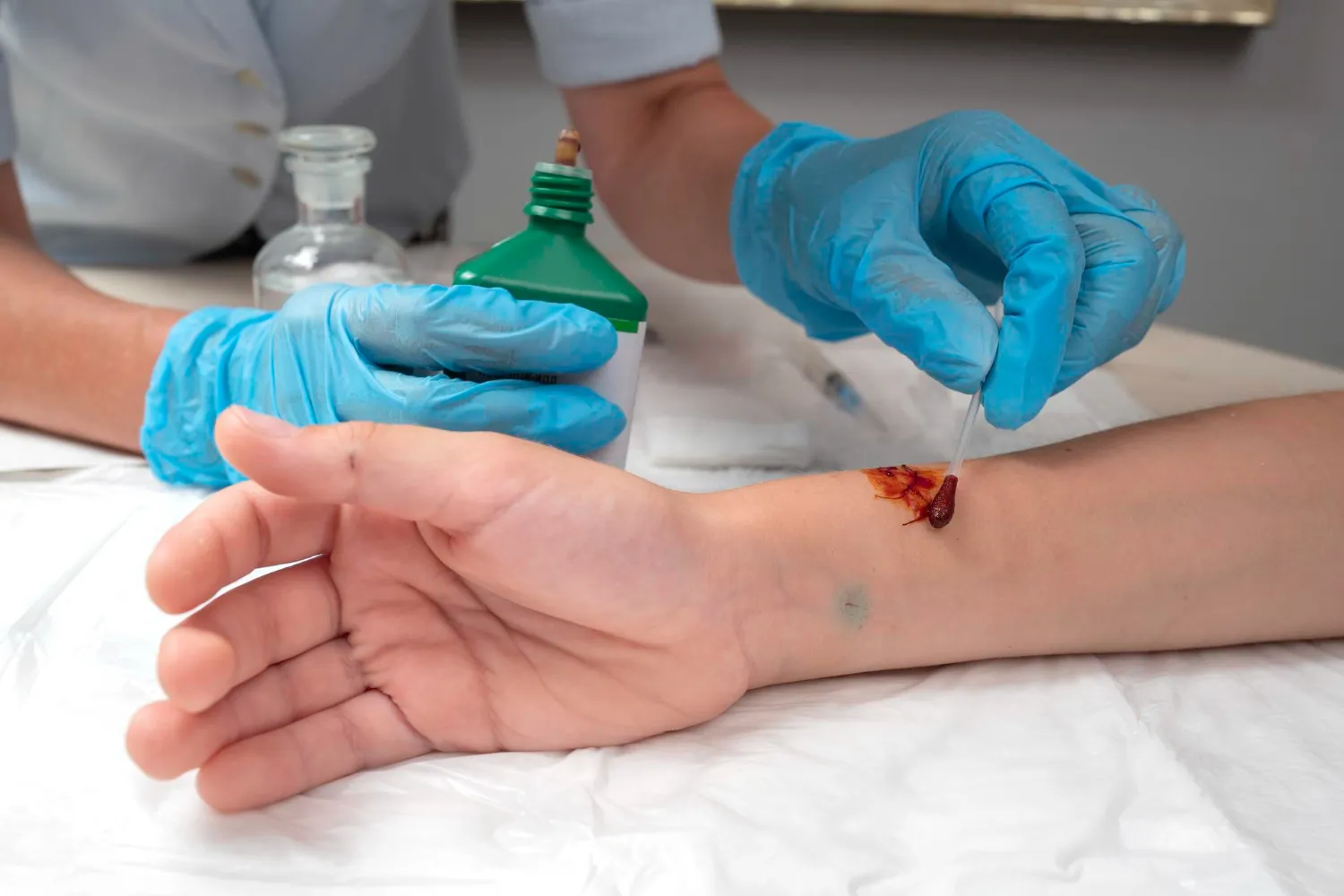
Conclusion: Early Action Prevents Complications
These signs of infection should not be waited out. The sooner you start treatment, the easier it will be and the less likely you’ll have other problems.
If you have expanding redness, increasing pain, unusual drainage, odor, fever, or failure to heal, contact Wound Care Treatment for a treatment regimen tailored to your wounds and health issues.
FAQ
1) Is Redness Always a Sign of Infection?
Not always. Mild redness can be normal early on. Redness that spreads, worsens, or comes with warmth, swelling, drainage, or fever is more concerning.
2) How Long Should a Wound Take to Heal?
It depends on the wound type and your health factors. If there’s no improvement after 7–14 days (or sooner if you’re high-risk), it’s time to get evaluated.
3) Should I Use Leftover Antibiotics or Random Creams?
No. Using leftover antibiotics or random creams can delay proper care and sometimes worsen irritation or resistance. It’s safer to get clinician-guided evaluation and follow the prescribed plan.
Find the Dosage Form That Fits Your Life
If standard meds don’t work for your routine, ask a compound pharmacy about prescription-based options, then confirm the best fit with a local compounding pharmacy you trust.