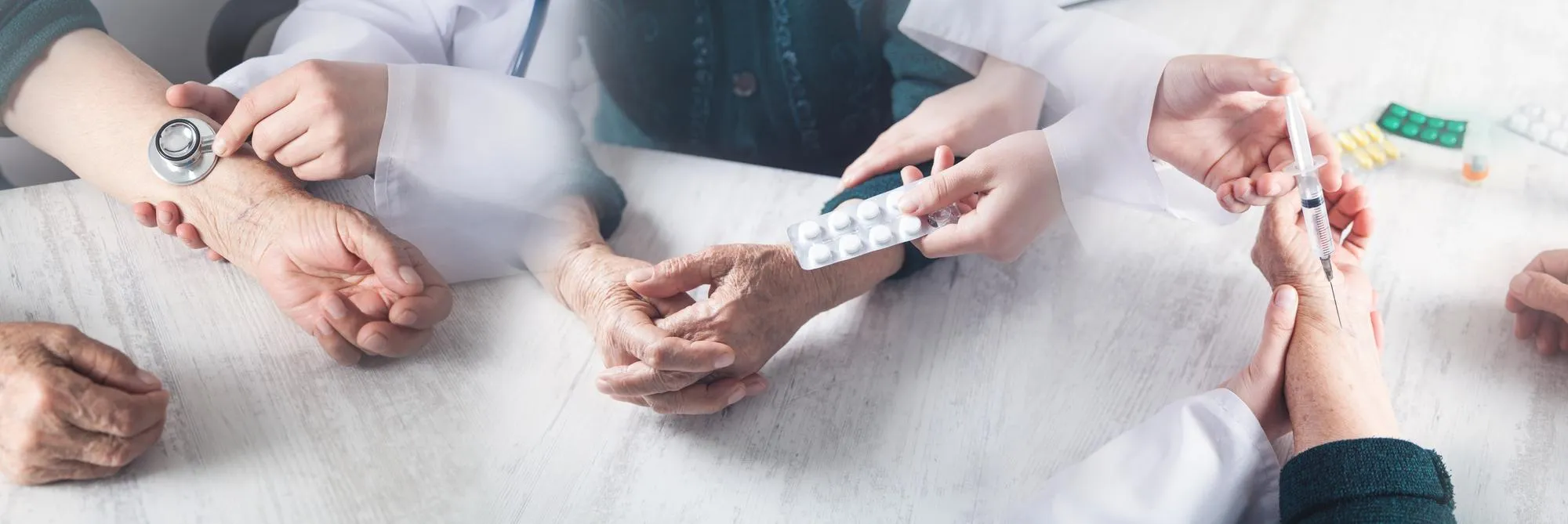
Advanced Wound Care Pharmacy Quick Wound Healing Medicines Wound Care Treatment
Posted on July 1, 2026 | 7 minutes read
Diabetic ulcers often don’t start as a “big problem.” They can begin as a small blister, a tiny cut, or a spot that rubs the wrong way in a shoe. But for people with diabetes, that small wound can become stubborn fast, and sometimes it turns into something that just won’t heal the way you expect.
This is normally because of a combination of elements such as decreased circulation, nerve damage so that you do not notice the injury at first, increased risk of infection, and continued pressure from walking and footwear. It becomes frustrating when the wound enters into an endless irritation and healing cycle.
Here’s the most important mindset shift: chronic wounds need a plan, not just a bandage. That plan is led by your clinician, but support tools matter too. This is where an Advanced Wound Care Pharmacy can help. An Advanced Wound Care Pharmacy supports care teams with customized, prescription-based options when standard products aren’t enough or don’t match the patient’s needs.
You may also see people searching for Quick Wound Healing Medicines when they’re stressed and want something that works fast. That’s understandable. But the real goal is steady, measurable progress through the right Wound Care Treatment plan, supported by the right tools and follow-up.
What Makes A Diabetic Ulcer “Chronic” (And Why It Matters)
In plain language, a wound becomes “chronic” when it’s not improving as expected, keeps reopening, or slowly worsens instead of healing.
Why that matters:
- The longer a wound stays open, the higher the risk of infection.
- Chronic wounds can affect mobility and independence.
- They can impact sleep, stress levels, and overall quality of life.
- Delays can lead to more complex care needs.
This is why structured Wound Care Treatment becomes critical. It’s not about trying random products, it’s about following a plan that addresses the real barriers to healing.
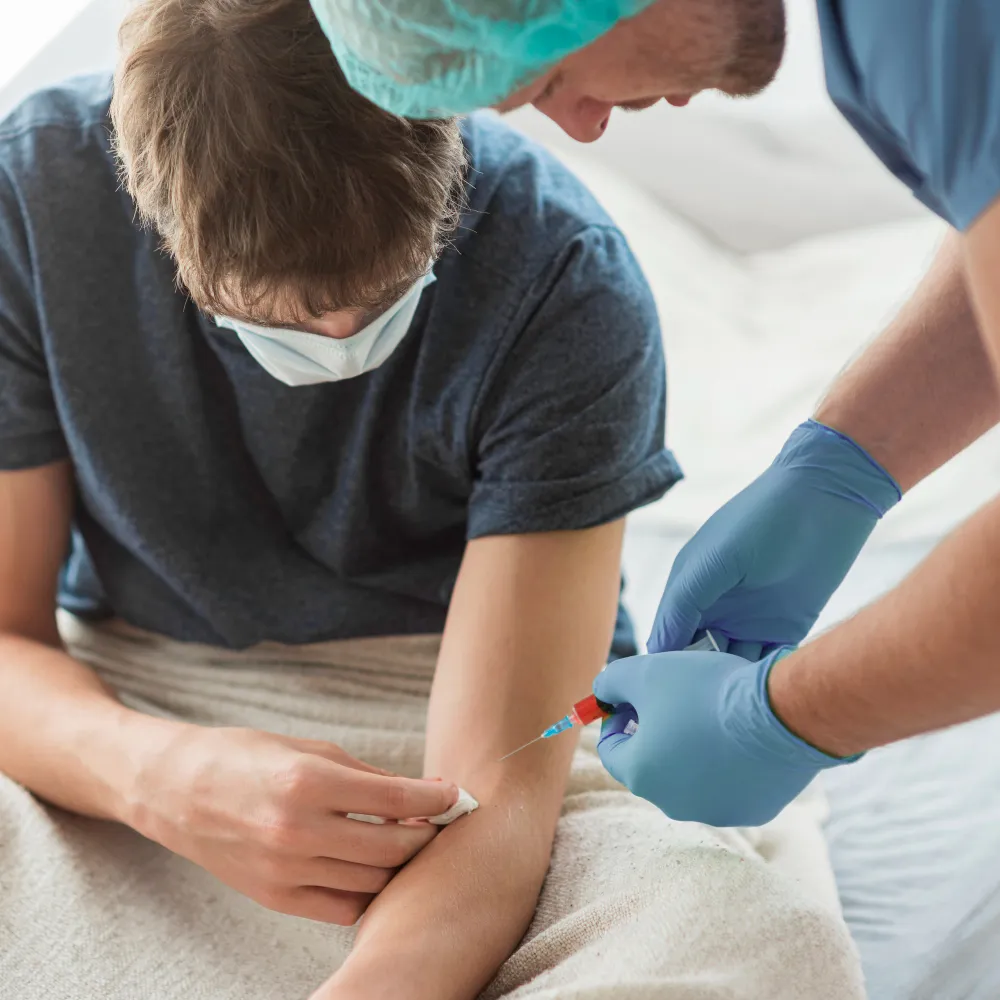
The Most Common Barriers To Healing In Diabetes
Diabetic ulcers are challenging because multiple healing “ingredients” may be missing or disrupted. Common barriers include:
Reduced Blood Flow And Oxygen Delivery
Healing requires oxygen and nutrients. Poor circulation slows that process down.
Neuropathy (Reduced Sensation)
If you can’t feel pain well, you may not notice the wound early, or you may keep putting pressure on it without realizing it.
Infection Risk (And Biofilm Risk)
Open wounds are vulnerable. Even low-grade infection can slow healing.
Inflammation That Doesn’t “Turn Off”
Some wounds stay stuck in an inflamed state instead of moving into repair mode.
Poor Moisture Balance
Too wet can break down skin. Too dry can slow tissue repair. Balance matters.
Pressure And Friction
Walking, standing, and footwear can repeatedly irritate the area, even when you’re trying to be careful.
The takeaway: if you only treat one piece (like covering it), the wound may still struggle. Healing usually requires a multi-step approach.
Standard Wound Care Treatment: The Non-Negotiables
Compounding can support care, but it doesn’t replace clinical wound management. The foundation is always provider-directed Wound Care Treatment, which typically includes:
- Assessment + cleaning/debridement (provider-directed)
- Offloading / pressure reduction (special shoes, boots, or devices as recommended)
- Infection control when needed
- Moisture management and appropriate dressings
- Blood sugar control support as part of the overall plan
- Follow-up and monitoring to track progress and adjust care
If any of these pieces are missing, healing can stall. If they’re consistent, many wounds improve over time, even when they’ve been stubborn.
Where A Wound Care Compounding Pharmacy Fits In
A wound care compounding pharmacy becomes relevant when a clinician needs a more tailored approach. For example, when they want:
- Customized strengths based on the wound’s needs and the treatment plan
- Combination therapies in a single preparation (when prescribed)
- Alternative dosage forms designed for wound application
- Patient-specific adjustments (sensitivities to ingredients, tolerance issues, adherence needs)
The key point: compounded wound medications are prescription-based and tailored. The pharmacy is supporting the clinician’s plan, not replacing it.
What “Quick Wound Healing Medicines” Really Means (Set Realistic Expectations)
Let’s talk about the phrase Quick Wound Healing Medicines, because it’s a common search for a reason. When you’re dealing with a chronic wound, you want something that works now.
But “quick” should be reframed in a safer, more realistic way:
- “Quick” can mean reducing delays in getting the right treatment.
- “Quick” can mean simplifying the routine so you can follow it consistently.
- “Quick” can mean supporting a healthier wound environment so healing can progress.
What it does not mean is an overnight cure.
What patients should look for instead are steady progress markers, such as:
- Reduced drainage, odor, or discomfort (as appropriate)
- Healthier-looking wound edges and tissue (as assessed by your provider)
- Fewer signs of irritation or breakdown around the wound
- A wound that is gradually shrinking or improving over time
Your clinician is the best person to define what “progress” should look like for your specific wound.
Examples Of How Compounding Can Support Diabetic Ulcer Care (High-Level)
To keep this compliant and patient-safe, here are high-level examples of how compounding may support a plan (always per provider direction):
- Customized topical formulations designed to match wound needs
- Combination approaches in a single preparation to simplify the routine
- Adjusting bases/vehicles for better tolerance on sensitive skin
- Alternatives if commercial products don’t fit into your strategy (strength, format, availability)
In most situations, the most advantageous aspect is practicality – it means less hassle and an easier to accomplish daily routine.
Patient Checklist: When To Seek Advanced Help
If you have diabetes, it’s better to get help early rather than waiting.
Seek prompt evaluation if:
- The wound isn’t improving after a set timeframe
- Increasing redness, swelling, warmth, drainage, or odor
- Fever or worsening pain
- Black tissue, spreading discoloration, or sudden changes
- You have diabetes plus reduced sensation in your feet
Chronic wounds can change quickly. Ongoing Wound Care Treatment and follow-up are not optional, they’re part of preventing complications.
Questions To Ask Your Provider + Advanced Wound Care Pharmacy
Raise these issues when you go next time or give them a call:
- What is the objective of this treatment (infection control, moisture balance, inflammation, pain, etc.)?
- How often should I use it, and for how long?
- What should I look out for (positive or negative)?
- How should it be stored?
- Can the formula be adjusted if irritation occurs?
- What else must be done alongside medication (offloading, dressings, follow-ups)?
These questions help you stay clear, consistent, and confident, which matters a lot in wound care.

FAQ
1) Why Do Diabetic Ulcers Take So Long To Heal?
They often involve reduced circulation, neuropathy, pressure on the wound, moisture imbalance, and higher infection risk, which can slow healing and cause setbacks.
2) Are “Quick Wound Healing Medicines” Real?
“Quick” is best understood as reducing delays and supporting steady progress, not an overnight cure. The safest approach is a clinician-led wound care treatment plan.
3) How Can An Advanced Wound Care Pharmacy Help?
It can support your clinician with prescription-based, customized options (strengths, forms, combinations when prescribed) when standard products don’t match the treatment plan.
Conclusion: Hope Comes From A Plan + The Right Support
Diabetic ulcers are complex, and it is completely understandable to feel frustrated when healing takes time. However, many people experience successful healing with consistent, collaborative care that focuses on improving circulation, offloading pressure, reducing infection risk, maintaining proper moisture balance, and attending regular follow-up visits. Personalized support from Citizen Compounding can also help patients stay on track with their prescribed treatment plan.
The Advanced Wound Care Pharmacy can be a good partner for you because of offering customized and prescription treatments while your doctor develops the overall Wound Care Treatment plan. No matter how much hope a particular treatment gives you, hope is in a plan itself.
Chronic Wounds Need a Plan, Not a Patch
Ask your provider how an Advanced Wound Care Pharmacy can support your Wound Care Treatment plan with customized, prescription-based options for diabetic ulcers.