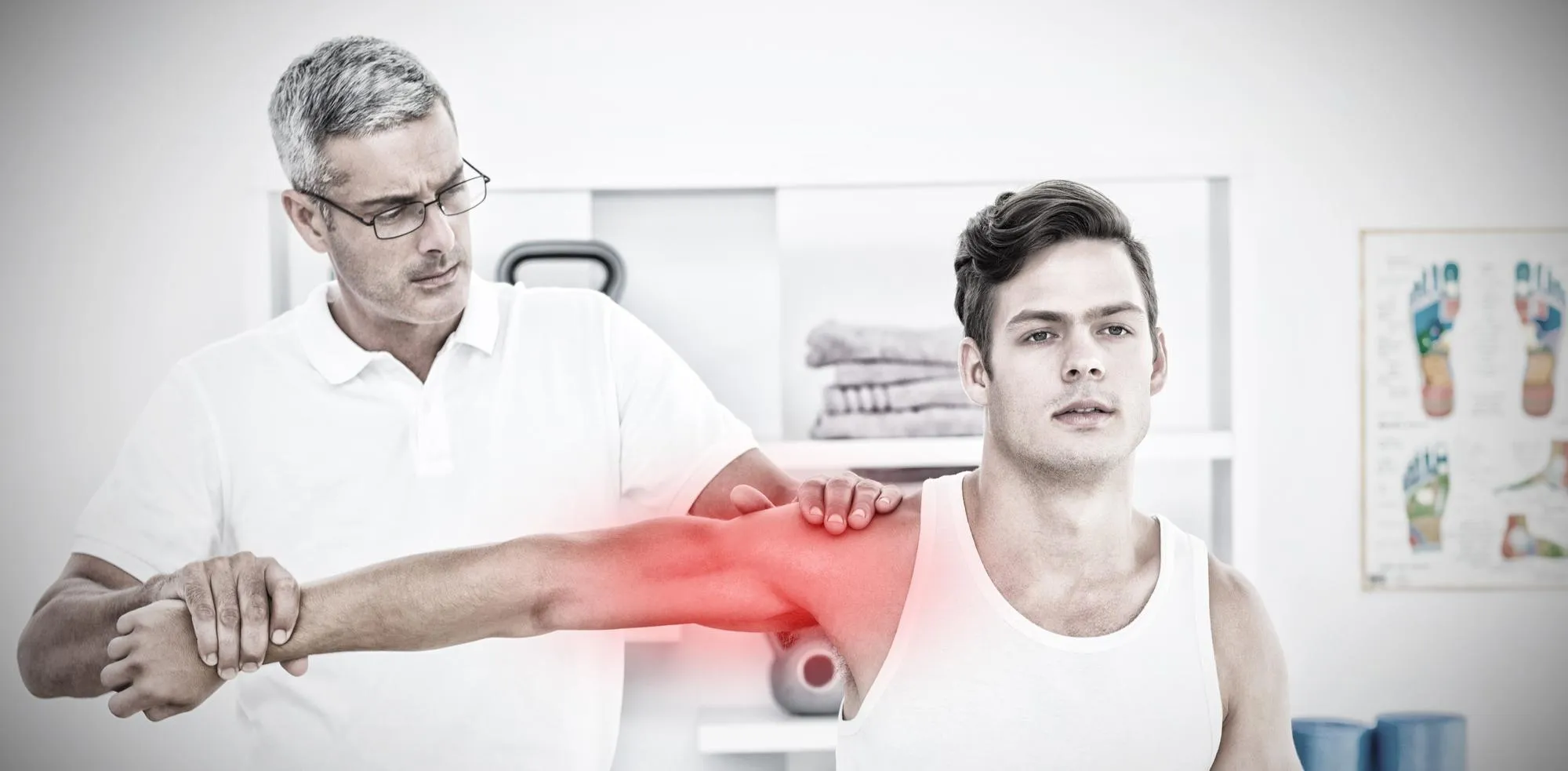
6 Benefits of Physical Therapy in Pain Management Treatment
Posted on February 16, 2024 | 6 minutes read
This modality contributes to Pain Management Treatment through reduction of pain, improved mobility, development of strength, and enhancement of functionality.
One thing about pain is that it just seems to sneak up on you. It affects your sleeping patterns, your working patterns, how you move, and even how you organize your day. Whether your pain was brought about by an accident, an operation, or has just developed over time, doing simple things becomes quite tiring.
That’s why Pain management treatment is about more than “getting through it.”Effective pain management treatment involves functional restoration, minimizing flare ups, and boosting confidence in your body, not just looking for quick fixes.
Physiotherapy (PT) plays a central role in this treatment regime. It is not some “add-on.” It is one of the most practical means of solving the mechanical causes of Pain and rebuilding muscle strength and mobility. And when dealing with chronic, complicated or unresolved Pain, Pain management doctors in Jacksonville are here to assist in figuring out what the cause is.
What Does Physical Therapy Do For Pain Management?
Physical therapy focuses on improving:
- Movement
- Strength
- Flexibility
- Stability
- Overall function
Instead of only treating symptoms, PT often targets root causes like poor movement patterns, weakness, mobility restrictions, or compensation habits that keep pain stuck in a loop.
For many people, the best outcomes come from a broader plan: PT + lifestyle changes + medical evaluation when needed.
Benefit 1: Relieves Pain

One of the biggest benefits of PT is pain relief that doesn’t depend solely on medication.
Depending on your condition, a physical therapist may use:
- Manual therapy
- Therapeutic exercise
- Heat/cold modalities
- Mobility and stretching work
Why it helps: these approaches can reduce irritation, improve circulation, and support healing, while also teaching your body safer movement patterns.
Over time, this supports long-term Pain management treatment, not just short-term relief.
Benefit 2: Helps You Regain Functional Independence
Pain management isn’t just about lowering a number on a pain scale. It’s about getting your life back.
PT can help you rebuild the ability to do daily tasks like:
- Walking comfortably
- Climbing stairs
- Lifting and carrying
- Bending, reaching, and getting up/down safely
Just as important, PT helps rebuild confidence. Many people start avoiding movement because they’re afraid of triggering pain. A structured PT plan helps you move again with less fear and more control.
Benefit 3: Provides Individualized Treatment (Not One-Size-Fits-All)
Good PT starts with assessment, not assumptions.
A physical therapist may evaluate:
- What triggers your pain
- Your movement patterns (how you walk, bend, sit, lift)
- Strength and flexibility gaps
- Your medical history
- Your work demands, sport goals, or daily responsibilities
Then they build a plan that fits your goals, whether that’s returning to work, keeping up with kids, training again, or simply being able to sit and sleep without constant discomfort.
Your plan should evolve as you progress. PT is not “one routine forever.” It’s a guided process.
Benefit 4: Offers A Non-Invasive Approach
Physical therapy is a conservative, non-invasive approach that helps many people avoid or delay:
- Surgery (when appropriate)
- Heavy dependence on medications
That doesn’t mean medication is never part of care. Sometimes it is. But PT can reduce over-reliance by improving the underlying mechanics that keep pain recurring.
For many patients, this is a major win: fewer aggressive interventions, more control, and steadier progress.
Benefit 5: Empowers You To Participate In Your Recovery
One of the most underrated benefits of PT is education.
A strong PT plan usually includes:
- Posture and body mechanics coaching
- Safe movement strategies for your specific condition
- Home exercises and stretches
- Flare-up prevention techniques
This matters because most recovery happens outside the clinic. PT gives you tools to manage your pain day-to-day, so you’re not dependent on appointments alone.
Benefit 6: Focuses On Long-Term Results (Not Temporary Relief)
Physical Therapy (PT) is designed to help improve over the long term.
As opposed to addressing the symptom only, PT addresses the root cause, which include:
- Weakness & Instability
- Restricted Range of Motion
- Repetitive Strain Patterns
- Poor Movement Patterns that Overload Joints/Muscles
Long-term benefit: decreased flares, increased mobility and consistency.
When Physical Therapy May Not Be Enough (And When To Escalate Care)
PT can be quite effective, yet in some instances, it is not necessarily the end of the road.
Should you consider escalation of treatment if:
- The pain is persistent or even growing despite regular PT
- There are very serious neurological problems (numbness, tingling, weakness)
- The pain affects your ability to rest or to perform daily activities
- The need for additional diagnostics or therapy arises
If any of the above occurs, a consultation with Pain management doctors in Jacksonville might be just the thing you need.
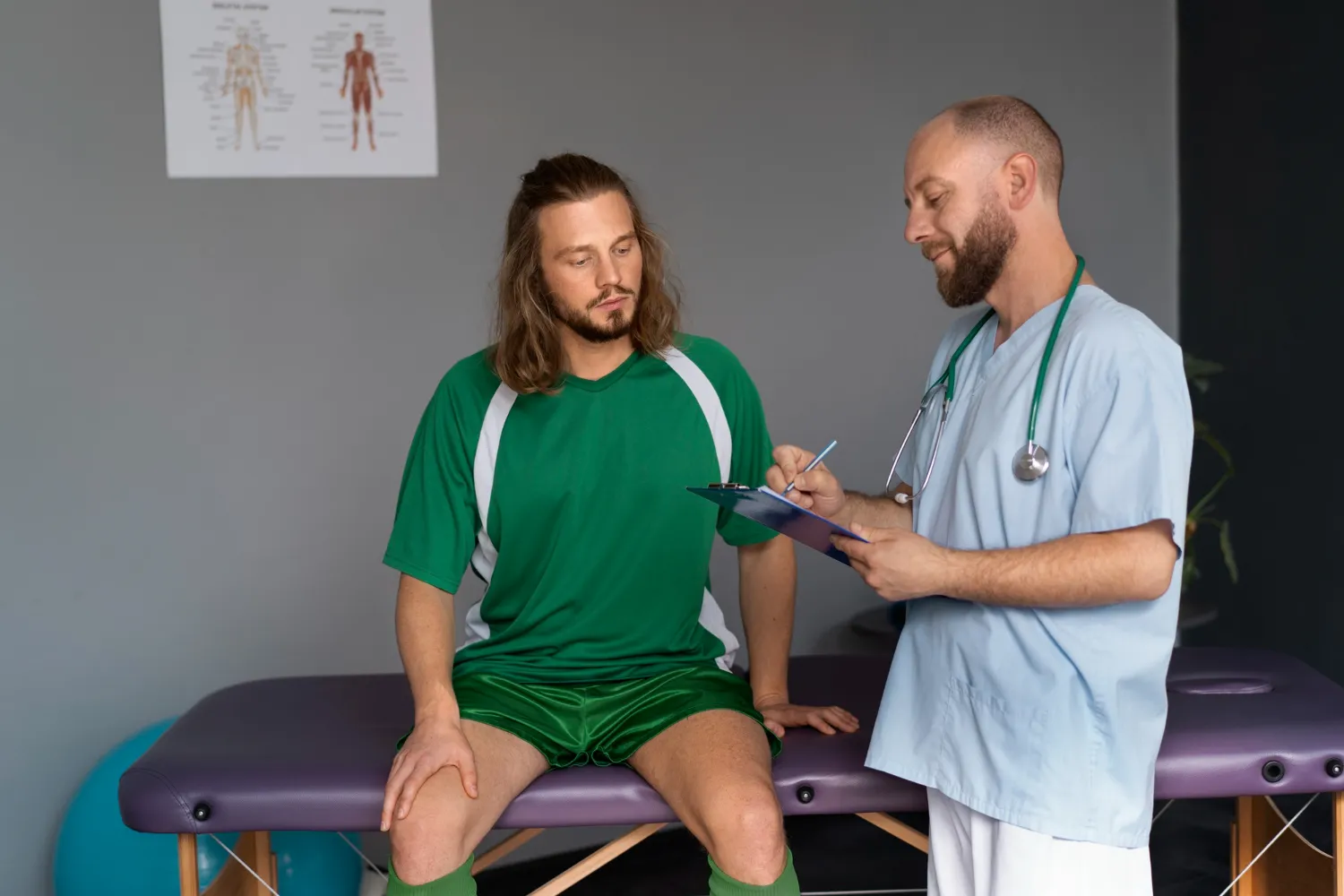
Conclusion: PT Is A Cornerstone Of Pain Management Treatment
Physical therapy assists in providing pain relief, regaining independence, tailoring treatment, minimizing invasive procedures, promoting self-care, and achieving sustained benefits.
When pain is reducing your life, get started sooner, be consistent, and monitor progress. And when you are not seeing improvement or your symptoms worsen, don’t hesitate, seek further examination and a comprehensive plan.
FAQ
1) How Long Does Physical Therapy Take To Help With Pain?
It depends on the cause and how long the pain has been present. Some people notice early improvements within a few sessions, while chronic issues may take weeks of consistent work.
2) Is Physical Therapy Painful?
PT shouldn’t feel harmful. Some discomfort can happen as you rebuild mobility and strength, but your therapist should adjust the plan so it’s safe and tolerable.
3) When Should I See A Pain Management Doctor Instead Of Only Doing PT?
If pain is severe, persistent, worsening, disrupting sleep, or accompanied by numbness/weakness, it’s smart to consult Pain management doctors in Jacksonville for a full evaluation and coordinated plan.
Take Back Your Movement, One Step at a Time
If pain is affecting sleep, work, or daily routines, start Pain management treatment with a PT plan built around your goals, and escalate to Pain management doctors in Jacksonville if progress stalls.