
Why Compounding Pharmacy Is a Lifesaver for Patients Who Cannot Swallow Pills (Liquid, Lollipop, and Transdermal Forms)
Posted on May 20, 2026 | 6 minutes read
In case you have ever had difficulty while trying to swallow a pill, it is definitely real for you. Some people have gag reflexes, others experience anxieties, nausea, dry mouth, or have particular conditions making the process of swallowing pills difficult. This applies to children, older patients, postoperative patients, and those who suffer from dysphagia or sensory impairment problems.
The main issue is that when patients have difficulties with taking pills, they begin postponing their treatment, taking pills irregularly, or being afraid of swallowing pills every day. This is exactly where a compounding pharmacy can make a difference. A compounding pharmacy enables patients to have their medications prescribed in an alternative dosage form.
It is necessary to emphasize that the role of the drug will remain unchanged since it will be taken as before, but only in a more convenient way.
Why Some Patients Cannot Swallow Pills
Swallowing pills is a problem that occurs more frequently than many people know. Moreover, it’s a problem faced by all age groups.
Here are some of the most frequent causes:
- Difficulty swallowing (Dysphagia), caused by a condition
- Nausea, particularly when following a surgical procedure or a particular treatment
- Fears related to the inability to swallow or choke
- A sensory problem, an intense reaction to texture
- Dry mouth, preventing proper swallowing and causing discomfort
- Neurological problems, like recovering from a stroke
- Pediatric difficulties – children who are not ready for swallowing pills
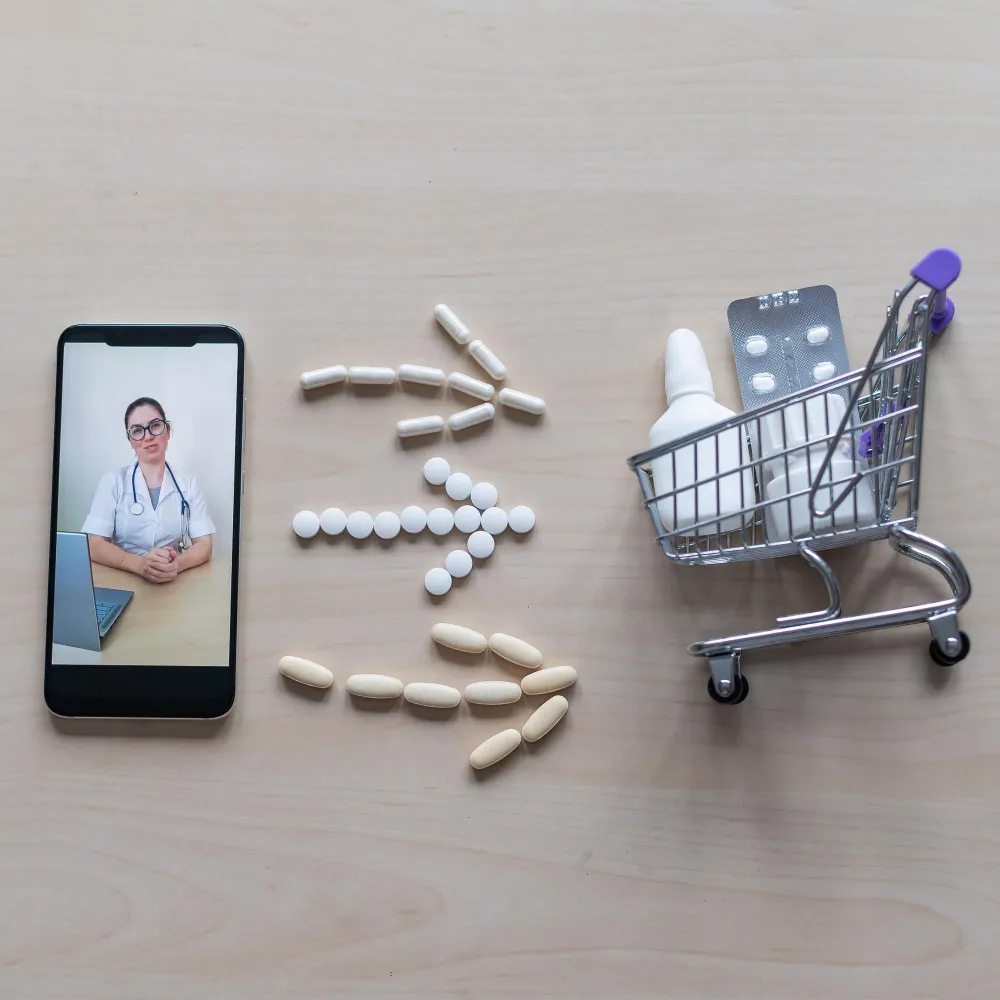
When pills are difficult to take, the real risk is not just discomfort. It’s missed doses. And missed doses can lead to delayed recovery, unstable symptom control, and a lot of stress for both patients and caregivers.
How a Compounding Pharmacy Helps When Pills Are Not an Option
So what does a compounding pharmacy actually do?
In simple terms, a compounding pharmacy prepares customized medication forms based on a provider’s prescription. That means if your doctor prescribes a medication but the standard pill form doesn’t work for you, the medication may be compounded into a different dosage form when appropriate.
The biggest benefits are practical and immediate:
- Easier administration for patients and caregivers
- Better adherence, fewer skipped doses
- Less stress and dread around medication time
- More confidence that the treatment plan is actually being followed
This is especially helpful for families caring for children, adults recovering from surgery, or seniors managing multiple medications. Instead of fighting the pill, you can focus on the routine and the recovery.
Liquid Medications, The Most Common Alternative
Liquid medications are often the first alternative people think of, and for good reason. Liquids can be easier to swallow, easier to measure, and easier to fit into daily routines.
Liquids may help most for:
- Children who cannot swallow pills yet
- People who have difficulty using tablets or capsules
- Individuals who need feeding tubes (when necessary and recommended by doctors)
- Individuals who require highly customized dosages
A compounding pharmacy can also include flavors in their formulations, which can make an enormous difference for children or people who are highly sensitive to flavors. Moreover, since dosing can be calculated with high precision, liquids are highly convenient when taking medication regularly over a long period of time.
The most important factor here is precision. Proper measurements, proper storage, and correct use of medication is what counts.
Lollipop Medications, A Kid-Friendly Option for Certain Needs
For some pediatric patients, lollipop dosage forms can be a helpful option when clinically appropriate and prescribed. In simple terms, a medication lollipop is a compounded form designed to make administration easier for children who resist traditional methods.
Caregivers often like this option because:
- It can reduce resistance during medication time
- It may feel less intimidating than a syringe or spoon
- It can help create a smoother routine
That said, it is important to be clear: lollipop medications are not for every prescription, and they should only be used when a provider determines it is appropriate. The compounding pharmacy will also provide guidance on how to use them correctly, because proper dosing and timing still matter.
Transdermal Forms, Medication Through the Skin
Transdermal forms are another option that can be helpful for certain patients. These are often prepared as gels or creams that are applied to the skin for absorption.
Transdermal medications may benefit:
- Patients with nausea who struggle with oral medications
- People with swallowing disorders
- Patients who have difficulty maintaining oral medication routines
- Those who need an option that fits daily life more comfortably
Consistency is especially important here. Transdermal medications must be applied exactly as directed, using the right amount and the right technique. A compounding pharmacy can provide clear instructions so patients and caregivers feel confident about application, storage, and routine.
What to Ask Your Doctor or Compounding Pharmacy
If pill swallowing is becoming a barrier, it helps to ask direct questions. You do not need to “push through” if there are safer, more practical options.
Here are helpful questions to ask:
- Can the prescribed drug be prepared as a liquid, lollipop, or transdermal preparation?
- What dosage and frequency should be followed?
- How should it be stored, and what is its shelf life?
- What are the possible adverse effects or variations in absorption rate?
- What action should be taken in case of skipped doses?
These queries will enable you to comprehend the strategy and ensure that you take the compounded drugs properly and regularly.

FAQ
1. Is there any drug that can be converted to a liquid or transdermal form?
It varies. This would depend upon the specific drug, prescription, and what would be clinically acceptable. The provider and the compounding pharmacy should be able to answer this question.
2. Are compounded drugs safe?
Compounded drugs are meant to be formulated in such a way that will allow for safe use based on proper dosages, per your physician’s recommendation.
3. When should one consider compounding as an option?
If taking a pill becomes problematic, with frequent missed dosages, anxiety, vomiting, or crying at the time of taking a dose, it may be worth discussing with your healthcare professional.
Conclusion
Difficulties in taking pills are very common, and they are often much easier to address than many people realize especially with support from Citizen Compounding. Nobody should be required to fear pill time or skip doses just because the traditional way of administering them is not ideal for their situation.
A compounding pharmacy can help make things easier on patients by giving them alternatives like liquids, lollipops, and transdermals that match reality, yet still deliver the intended effect of the prescribed medicine.
Struggling to Swallow Pills? You’re Not Alone
Ask about liquid, lollipop, or transdermal options from a compounding pharmacy, so your treatment fits your real life, not the other way around.